
Equipment enclosure manufacturing: route, fixturing, inspection
How an equipment enclosure is manufactured in 1.6–3.0 mm CRCA: gauge rules, bend deductions, weld sequence, coating and the inspection points that stop rework.
Ganesh engineering library
377 guides on stamping, laser cutting, bending, welding, coating and the parts we build for lift, power, data centre, railway and farm equipment. Every article is reviewed by the engineering team before it is published.
Nine clusters, each mapped to a capability or product page.
How an equipment enclosure is manufactured in 1.6–3.0 mm CRCA: gauge rules, bend deductions, weld sequence, coating and the inspection points that stop rework.
Coil fed stamping against blank feeding: material yield worked per part, coil change time, volume crossover and the parts that cannot run from strip.
DFM rules for a genset acoustic enclosure: panel gauges, louvre free area, door seals, bend radii, realistic tolerances and the leaks that cost 10 dB(A).
STEP files for sheet metal bend review: what the model carries, what it does not, and the checks that catch an unbendable part before the tool is set.
A first article proves the process can make one conforming part; sample inspection proves a lot matches an agreed defect rate. The numbers behind both.
Laser cutting sheet metal enclosures: the 1.5 mm panel, the ±0.1 mm cut tolerance, the bend that adds 0.4 mm, and the cost arithmetic of one 600 × 400 mm cover.
Die wear decides the strokes a tool survives, and that number divides into the tooling cost. What wears, how clearance drives life, and the volume where it pays.
Lift shaft corrosion starts at welds, edges and water traps. How to specify finish, drainage and material for a counterweight frame that lasts.

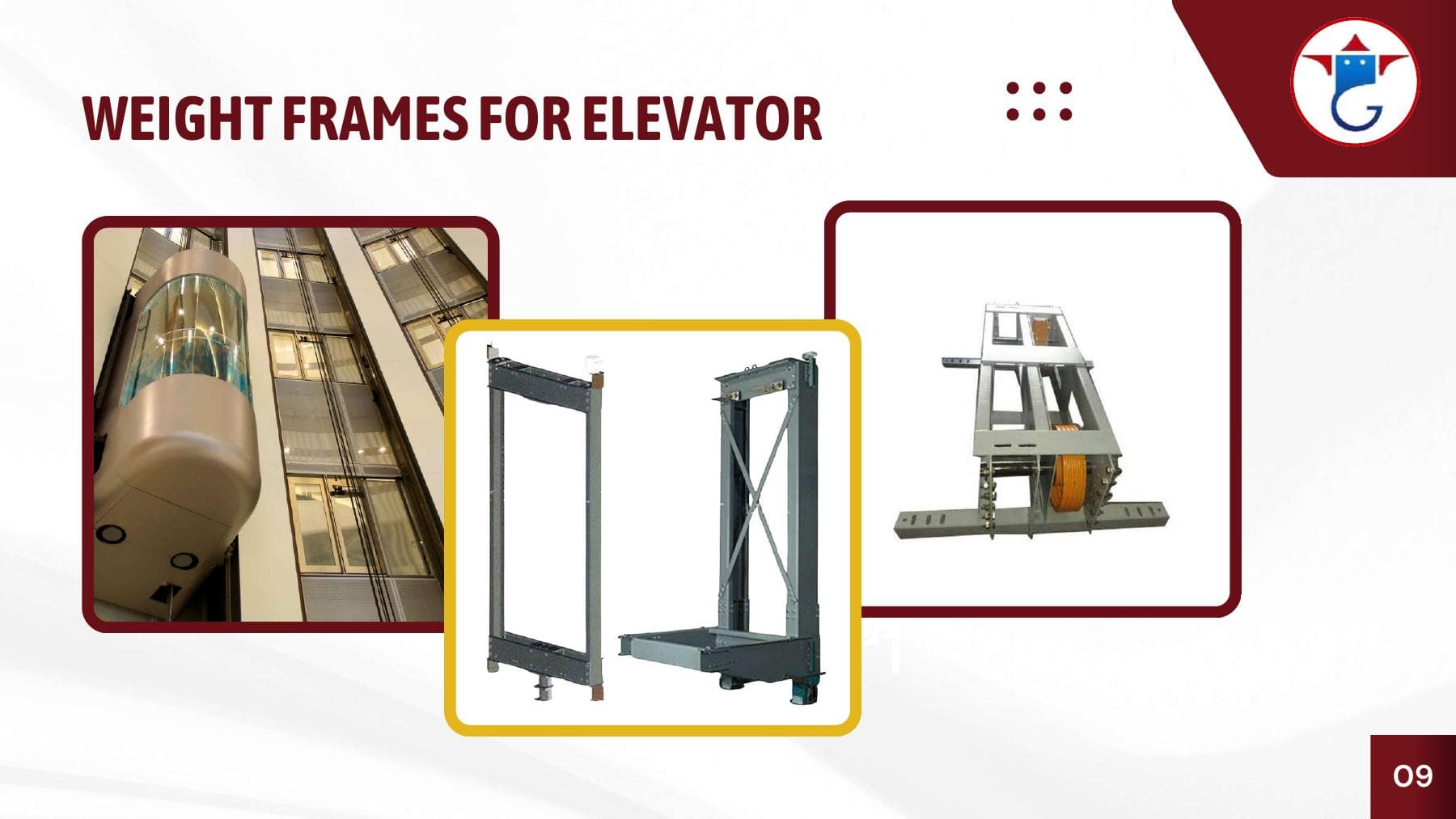
Counterweight frame fabrication for lift OEMs: rail-gauge datums, diagonal control, weld sequence, shaft coating and first-article limits.
Every article names its reviewer and its sources. Read the RSS feed, or see the engineering team behind the library.