
Low-Volume Stamping without Overbuilding Tooling
Low-Volume Stamping without Overbuilding Tooling: a practical guide to the process decisions, inspection points and RFQ details that affect this sheet-metal part or programme.
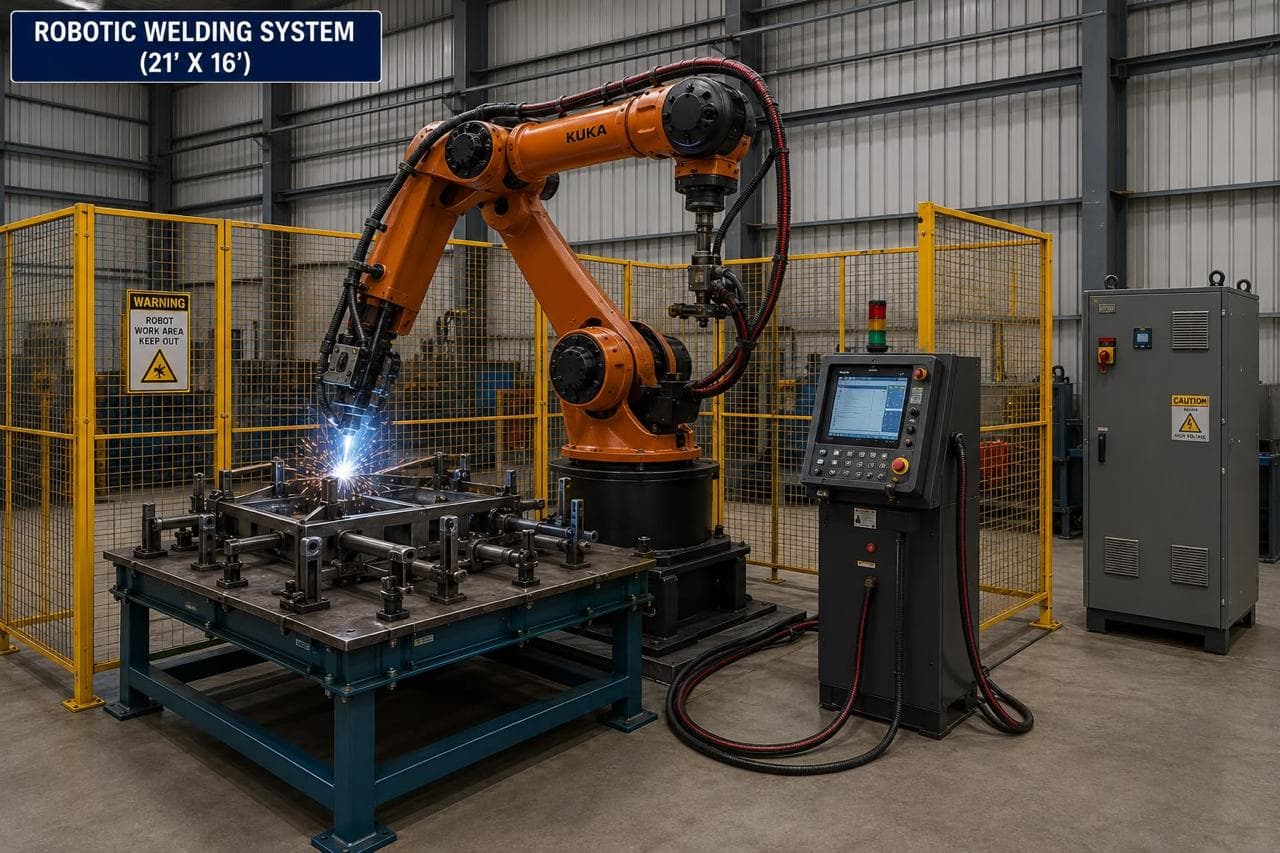
Stamping is usually the right route when the geometry is stable, the volume justifies tooling and a repeatable press operation can reduce the piece cost. Deep drawing adds control of material flow, draw depth, blank shape and the risk of wrinkling or tearing.
Direct answer
Stamping is usually the right route when the geometry is stable, the volume justifies tooling and a repeatable press operation can reduce the piece cost. Deep drawing adds control of material flow, draw depth, blank shape and the risk of wrinkling or tearing. The drawing should state the material, thickness, tolerances, finish, quantity and revision because each one changes the manufacturability review.
What the drawing should settle
A supplier can only quote the route responsibly when the acceptance criteria are visible before production starts. The review should cover material grade, thickness and grain direction; The review should cover draw depth, corner radius and blank-holder conditions; The review should cover press tonnage and available bed size; The review should cover tool construction, tryout and maintenance; The review should cover volume required to amortise tooling.
- Material grade, thickness and grain direction should be considered before the process is selected.
- Draw depth, corner radius and blank-holder conditions should be considered before the process is selected.
- Press tonnage and available bed size should be considered before the process is selected.
- Tool construction, tryout and maintenance should be considered before the process is selected.
- Volume required to amortise tooling should be considered before the process is selected.
Topic-specific checks
For Low-Volume Stamping without Overbuilding Tooling, tool ownership and maintenance are part of the commercial agreement, not an afterthought. The approval record should identify the critical part dimensions, tryout corrections, spare or wear components and the conditions under which the tool may be modified.
A transfer or refurbishment should begin with a condition report. Photographing the tool, recording shut height or datum condition and separating repair cost from piece price makes the next production decision easier to defend.
Process and inspection
Inspection should cover the features that affect assembly, not only the outside profile. Hole position, flange height, draw depth, cracking, thinning and springback should be connected to the drawing tolerances and the tool tryout record. Where the part is part of a larger assembly, the most important dimensions are often the interfaces rather than the largest outside dimensions.
| Decision | Why it changes the route |
|---|---|
| Material and thickness | They affect forming, welding, cutting speed and finish preparation. |
| Quantity and release pattern | They determine whether flexibility or dedicated tooling is the better investment. |
| Critical interfaces | They define the inspection datums and the cost of rework. |
| Surface requirement | It determines pretreatment, masking, handling and acceptance checks. |
Cost and sourcing choices
The lowest unit price is not always the lowest programme cost. A quote should make tooling, setup, material utilisation, secondary operations, inspection and packing visible enough for two suppliers to be compared on the same basis. If a design is likely to change, avoiding an early irreversible tool can be sensible; if the geometry is stable and the releases are substantial, a controlled tool or fixture may reduce variation and operator time. The correct comparison is the full part life, including changes, rework, delivery and the cost of handling the assembly at the next operation.
Implementation note
Low-Volume Stamping without Overbuilding Tooling should be released with an agreed inspection point at the first operation that can make the feature difficult to recover. The quotation should also identify the hand-off between operations. A cut blank may be acceptable at one stage and unusable after forming, welding or coating if the next datum was not protected. Defining that hand-off is a simple way to reduce arguments about where a defect began.
For repeat work, retain the approved sample or an agreed inspection record. Future operators and suppliers need a reference that shows the accepted appearance, fit and measurement method. This matters especially when the part is made across different shifts or plants. The record should remain attached to the revision that was actually quoted, not copied forward without checking whether the material, finish or assembly has changed.
When a requirement is not yet known, it is better to state the assumption than to hide it in the unit price. A clear assumption can be approved, changed or removed; an unspoken assumption usually appears later as rework, delay or a disputed acceptance decision. This is also the point where the buyer can decide whether a prototype route, a repeat-production route or both should be priced.
RFQ checklist
- What is the expected part life?
- Is the tool customer-owned or supplier-owned?
- Which dimensions control assembly?
- What is the acceptable tryout quantity?
- Will the route change after the prototype stage?
Ganesh Multitech route
Ganesh Multitech can review the drawing against a route that may include sheet metal stamping, followed by the relevant forming, welding, finishing and inspection steps. The scope should be confirmed against the actual drawing and plant requirement rather than assumed from the article. Send the current revision, expected quantity, material, finish and delivery destination so the engineering team can return a quotation with the important assumptions visible.
Have a drawing ready for review?
Send the current revision, material, finish and expected quantity. Our engineering team will review the manufacturing route before quotation.
Request a quote